Tokens, Trust & TEFCA: IAS and HIPAA Risk in 2026 | Aigilx
15 May
What Is TEFCA and Why Does It Matter?
Healthcare interoperability in 2026 is no longer just about exchanging data it’s about exchanging data securely, accurately, and with verified trust.
As healthcare organizations accelerate digital transformation, the Trusted Exchange Framework and Common Agreement (TEFCA) is redefining how providers, payers, health information networks, and digital health platforms share sensitive patient information across ecosystems. At the same time, increasing cyber threats, stricter privacy expectations, and evolving HIPAA enforcement are forcing organizations to rethink how identity, authentication, and access management operate within connected environments.
This is where tokens, trust frameworks, and Identity Assurance Services (IAS) become critical.
Healthcare organizations are now navigating a complex reality:
- Data must move seamlessly
- Users must be verified continuously
- Access must remain secure and auditable
- HIPAA compliance must be maintained across every exchange
Without trusted identity validation and secure token-based access models, interoperability can quickly become a security liability instead of a strategic advantage.
This article explores how TEFCA, IAS, and tokenized trust models are reshaping HIPAA risk management and what healthcare leaders must do to build secure interoperability frameworks in 2026.
What Is TEFCA and Why Does It Matter?
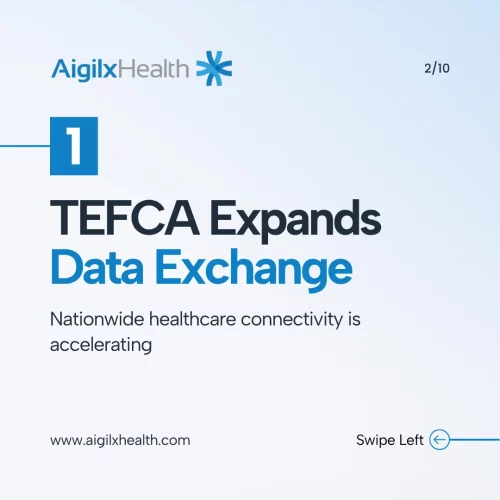
TEFCA (Trusted Exchange Framework and Common Agreement) was designed to establish a nationwide interoperability framework for healthcare data exchange.
Its primary goals include:
- Standardized health information exchange
- Trusted interoperability between networks
- Secure patient data access
- Improved care coordination
- Nationwide scalability for healthcare connectivity
TEFCA creates a “network of networks” where Qualified Health Information Networks (QHINs) exchange healthcare data under common governance and security expectations.
However, broader connectivity also introduces broader risk exposure.
As organizations connect more systems, applications, and external entities, identity verification and trust assurance become foundational to compliance and cybersecurity.
What Are Identity Assurance Services (IAS)?
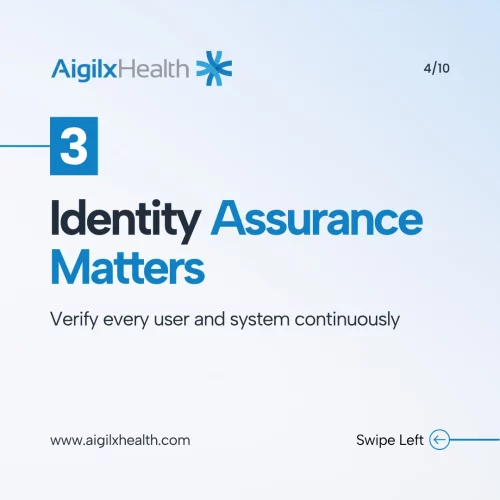
Identity Assurance Services (IAS) verify that users, systems, and organizations accessing healthcare data are legitimate and authorized.
IAS frameworks help validate:
- Provider identities
- Patient identities
- Organizational credentials
- Application trustworthiness
- Authentication strength
- Access permissions
In modern interoperability ecosystems, IAS acts as the trust layer between connected entities.
Without reliable identity assurance:
- Unauthorized access risks increase
- PHI exposure becomes more likely
- Audit gaps emerge
- HIPAA violations become harder to prevent
As TEFCA expands nationwide exchange capabilities, robust IAS controls become essential for maintaining trust across distributed healthcare environments.
Why Are Tokens Becoming Central to Healthcare Security?
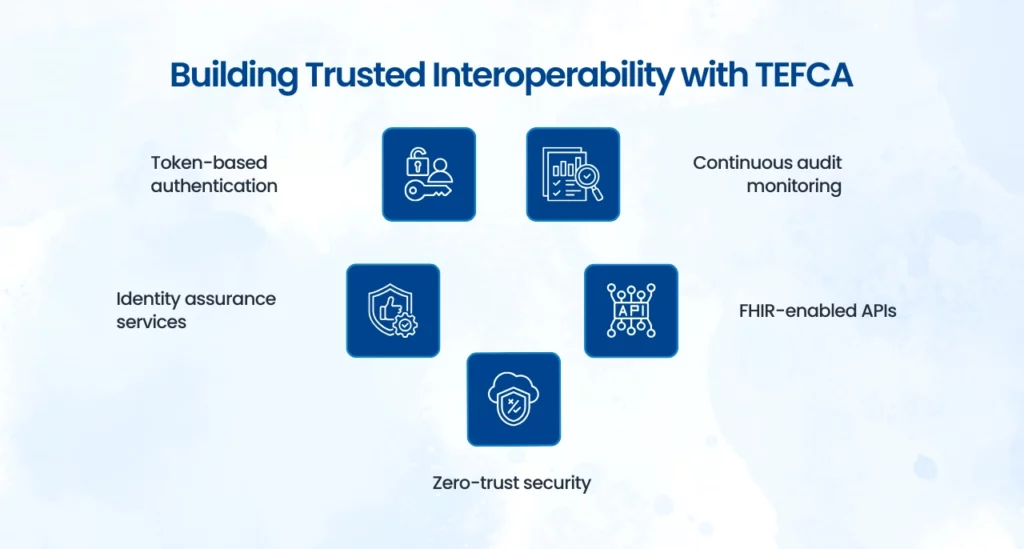
Traditional username-password authentication models are no longer sufficient for modern healthcare interoperability.
Instead, organizations are increasingly adopting token-based authentication and authorization frameworks.
These include:
- OAuth 2.0 access tokens
- OpenID Connect identity tokens
- SMART on FHIR authorization tokens
- API session tokens
- Zero-trust authentication tokens
Tokens allow systems to:
- Verify identity securely
- Limit access duration
- Restrict permissions
- Monitor session activity
- Enable secure API-based interoperability
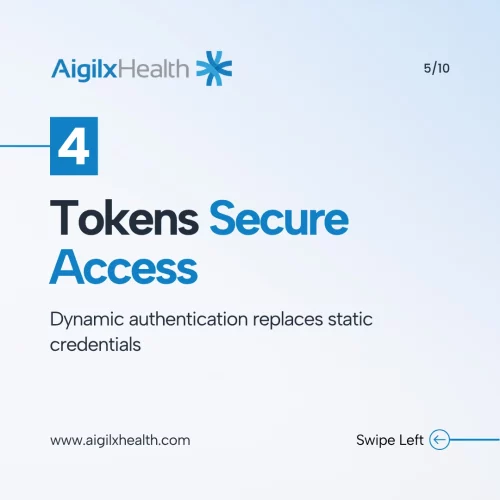
Unlike static credentials, tokens provide dynamic and granular access control.
This is especially important in TEFCA-enabled environments where healthcare data flows across multiple organizations, platforms, and applications in real time.
Where Does HIPAA Risk Increase in Connected Ecosystems?
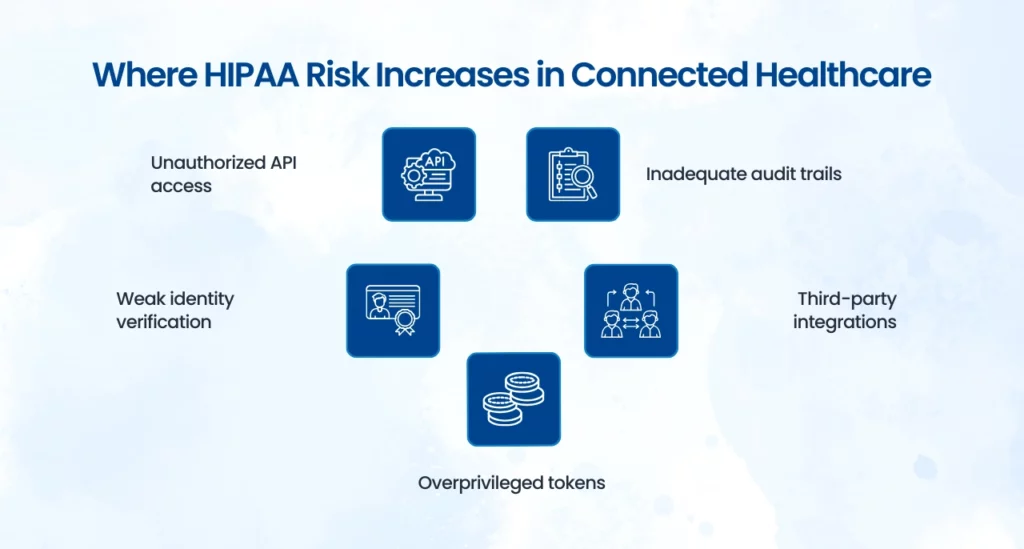
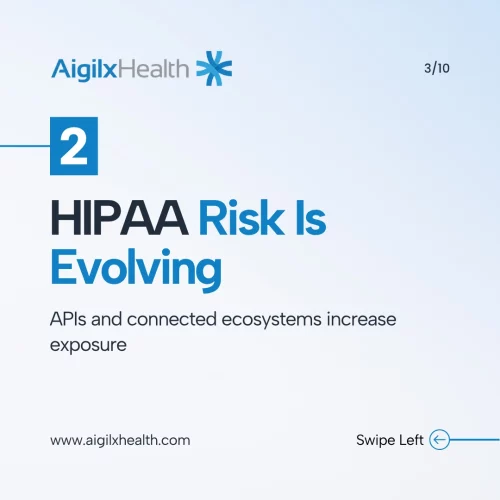
As interoperability expands, HIPAA risks evolve beyond traditional perimeter security concerns.
1. Unauthorized API Access
Poor token governance can allow unauthorized systems or users to access PHI.
2. Weak Identity Verification
Incomplete identity assurance increases the risk of impersonation and fraudulent access.
3. Overprivileged Access Tokens
Excessive permissions create unnecessary exposure to sensitive data.
4. Inadequate Audit Trails
Organizations may struggle to track who accessed what data and when.
5. Third-Party Integration Risks
External applications connected through APIs can introduce vulnerabilities.
6. Inconsistent Consent Management
Patient consent policies may not align across connected systems.
As healthcare ecosystems become increasingly decentralized, HIPAA compliance must evolve from static controls to continuous trust verification.
How Does TEFCA Change Trust Requirements?
TEFCA introduces a broader expectation of trusted interoperability.
This means organizations must:
- Validate exchanging entities continuously
- Ensure secure authentication across networks
- Standardize access governance
- Maintain auditable exchange records
- Reduce identity ambiguity
Trust is no longer implied by network participation alone.
Instead, organizations must prove:
- Who is requesting data
- Why access is needed
- Whether access is authorized
- How access is secured
This shift moves healthcare security toward zero-trust interoperability models.
How Do Tokens Support Zero-Trust Healthcare Security?
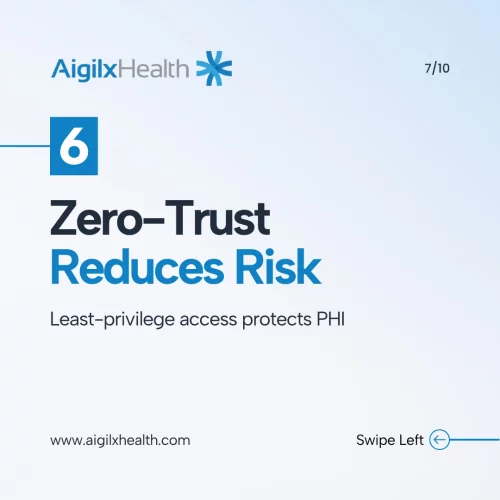
Zero-trust security assumes that no user, application, or system should automatically be trusted.
Token-based architectures support zero-trust principles by enabling:
- Short-lived access credentials
- Context-aware authentication
- Least-privilege access
- Session monitoring
- Dynamic authorization policies
In healthcare interoperability, this means:
- Providers only access necessary patient records
- Applications receive limited permissions
- Access expires automatically
- Suspicious activity can trigger reauthentication
This significantly reduces the risk of large-scale PHI exposure.
What Role Does FHIR Play in Secure Interoperability?
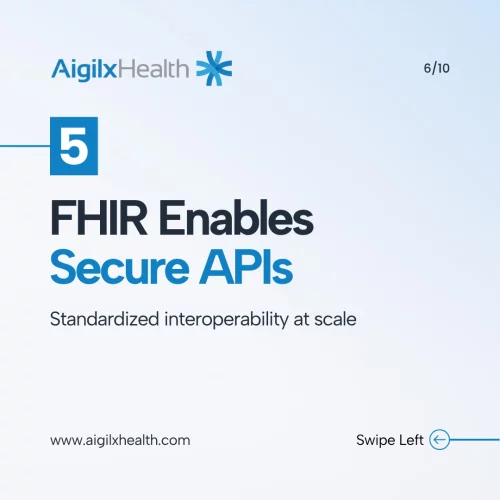
FHIR (Fast Healthcare Interoperability Resources) has become the foundation for modern healthcare APIs and TEFCA-aligned interoperability strategies.
FHIRFHIRFHIR
FHIR enables:
- API-driven data exchange
- Real-time interoperability
- Standardized healthcare data structures
- SMART on FHIR application integration
- Secure token-based authorization workflows
FHIR security frameworks often rely on:
- OAuth 2.0
- OpenID Connect
- Token validation services
- Identity federation
This creates a scalable framework where healthcare organizations can exchange data securely while maintaining HIPAA safeguards.
Why Is Trust Governance Becoming a Strategic Priority?
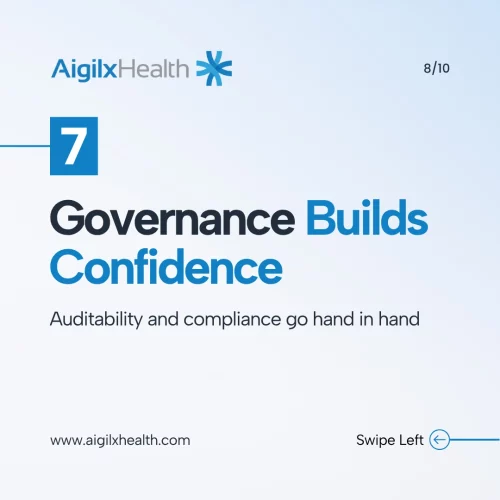
Interoperability success depends on more than technical integration it depends on governance.
Healthcare organizations must establish:
- Identity governance policies
- Token lifecycle management
- Access monitoring frameworks
- Vendor trust validation
- Cross-network security standards
- Incident response procedures
Without governance, interoperability expansion can unintentionally amplify cyber and compliance risk.
Trust governance ensures that security scales alongside connectivity.
What Are the Financial and Operational Risks of Poor Identity Assurance?
Weak identity assurance creates both compliance and operational consequences.
1. HIPAA Penalties
Unauthorized PHI disclosure can trigger significant regulatory fines.
2. Ransomware Exposure
Compromised credentials remain a leading cause of healthcare breaches.
3. Operational Disruption
Identity failures can interrupt care coordination workflows.
4. Loss of Patient Trust
Patients expect secure handling of sensitive health information.
5. Increased Cyber Insurance Costs
Organizations with weak security controls face higher premiums and stricter underwriting scrutiny.
As healthcare interoperability grows, identity assurance becomes directly tied to organizational resilience.
How Can Healthcare Organizations Reduce IAS and HIPAA Risk?
1. Implement Token-Based Access Controls
Move beyond static credentials toward dynamic authentication models.
2. Adopt Zero-Trust Security Architectures
Continuously verify users, devices, and applications.
3. Strengthen Identity Governance
Standardize identity verification and access approval processes.
4. Encrypt API Communications
Protect PHI exchanged across connected environments.
5. Monitor Token Activity Continuously
Track abnormal access patterns and revoke suspicious sessions immediately.
6. Align Security with TEFCA Standards
Ensure interoperability strategies support national trust expectations.
7. Conduct Regular Risk Assessments
Evaluate evolving HIPAA and interoperability vulnerabilities proactively.
How Aigilx Health Helps Organizations Navigate TEFCA and HIPAA Risk
Aigilx Health supports healthcare organizations through:
- TEFCA readiness strategies
- FHIR interoperability implementation
- Identity and access governance
- API security optimization
- HIPAA risk mitigation
- Token-based authentication frameworks
- Interoperability security assessments
By aligning interoperability with secure trust architecture, Aigilx Health helps organizations exchange data confidently while protecting patient privacy and operational integrity.
Why Tokens and Trust Define the Future of Interoperability
Healthcare interoperability is entering a new era where trust is the foundation of connectivity.
Organizations can no longer separate:
- Data exchange
- Identity assurance
- Cybersecurity
- HIPAA compliance
- Governance
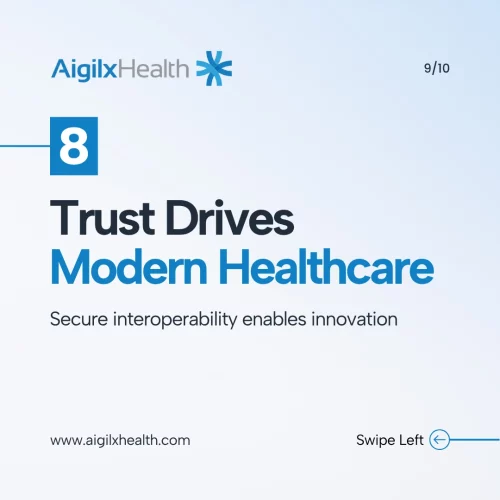
TEFCA accelerates interoperability, but secure interoperability depends on verified trust relationships and modern token-based security frameworks.
Healthcare leaders that prioritize identity assurance today will be better positioned to:
- Scale interoperability safely
- Reduce compliance exposure
- Improve patient trust
- Strengthen cybersecurity resilience
- Enable secure innovation
In connected healthcare ecosystems, trust is no longer optional it is infrastructure.
How Can You Move Forward with Confidence?
The path forward requires healthcare organizations to:
- Modernize identity management
- Implement token-based security
- Align with TEFCA trust frameworks
- Strengthen HIPAA governance
- Enable secure FHIR interoperability
Organizations that combine interoperability with continuous trust assurance will create healthcare ecosystems that are both connected and secure.
The future of healthcare exchange depends not just on moving data but on proving trust at every step.
FAQs
TEFCA is a nationwide interoperability framework designed to standardize and secure healthcare data exchange across networks and organizations.
IAS verifies the identities of users, organizations, and systems accessing healthcare data to ensure trusted interoperability.
Tokens provide secure, temporary, and permission-based access to healthcare systems and APIs, reducing cybersecurity and HIPAA risks.
TEFCA expands healthcare data exchange, requiring stronger identity verification, security governance, and audit capabilities to maintain HIPAA compliance.
Zero-trust security continuously verifies every user, device, and application before granting access to sensitive healthcare data.
FHIR enables standardized API-based data exchange while supporting secure authentication and tokenized access frameworks.
Aigilx Health provides interoperability, security, governance, and HIPAA risk management solutions to support secure TEFCA adoption.
Categories
- 1115 Waiver (8)
- ACO (7)
- AI (46)
- Aigilx Health (46)
- CCBHC (8)
- Control Center (10)
- FHIR Facade (7)
- FHIR Server (14)
- HIE (5)
- Payers (8)
- Providers (11)
- Rapid Fire (9)

ISO 27001:2022 Certified
Aigilx health specializes in developing Interoperability solutions to create a healthcare ecosystem and aids in the delivery of efficient, patient-centric and population-focused healthcare.